Stenographic Court Reporting

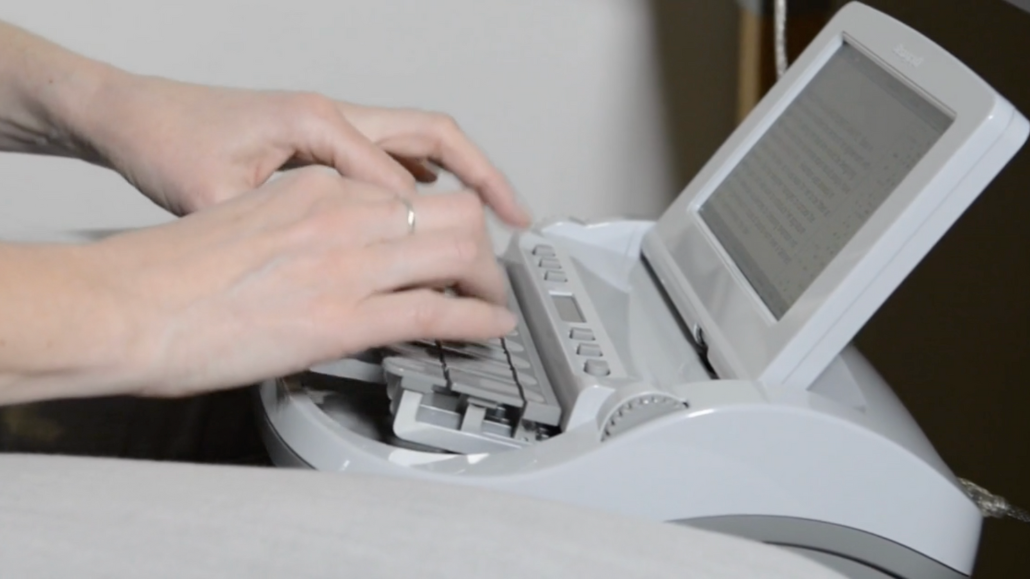
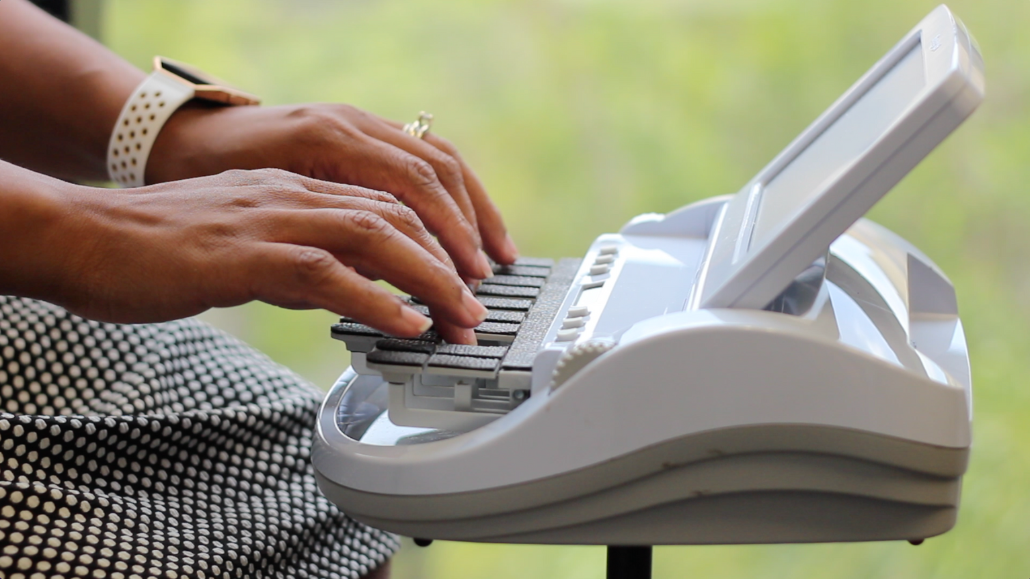
A court reporter, also known as a “stenographer,” is a highly trained professional who provides an integral and necessary service to our legal system. As dedicated custodians of the record, court reporters rely on a highly refined set of skills to accomplish the task of capturing the spoken word in realtime with the use of a Stenotype machine, a special shorthand keyboard.

Digital Court Reporting

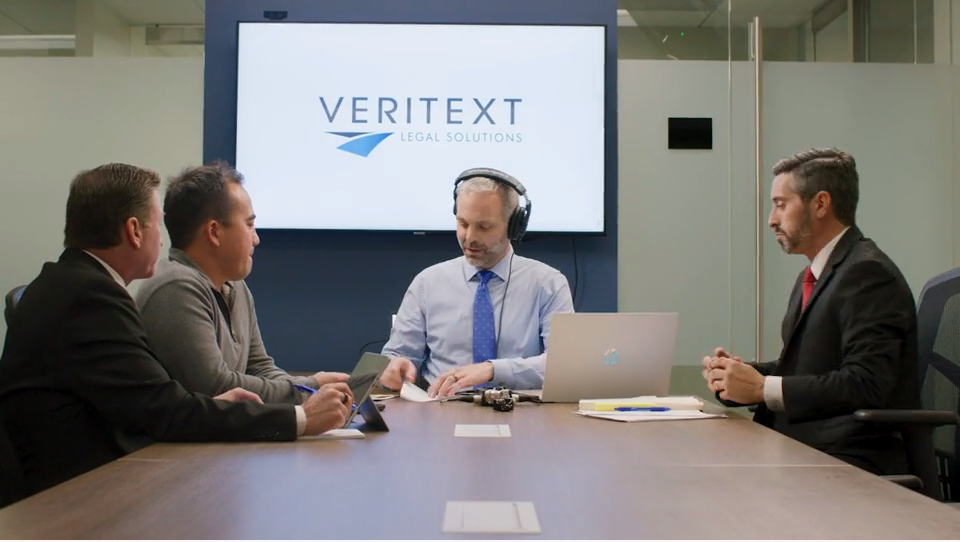
The role of a digital reporter is the same as a stenographer in that they are officers of the court and swear in the witness, officiate the proceeding, manage exhibits, and certify the record. One of the main differences is the capture method. Where a stenographer uses a steno machine, the digital reporter is a trained officiant who captures the record via high-quality digital audio equipment. Their recording is then sent to a legal transcriptionist, and a certified legal transcript is created.

Closed-Captioning

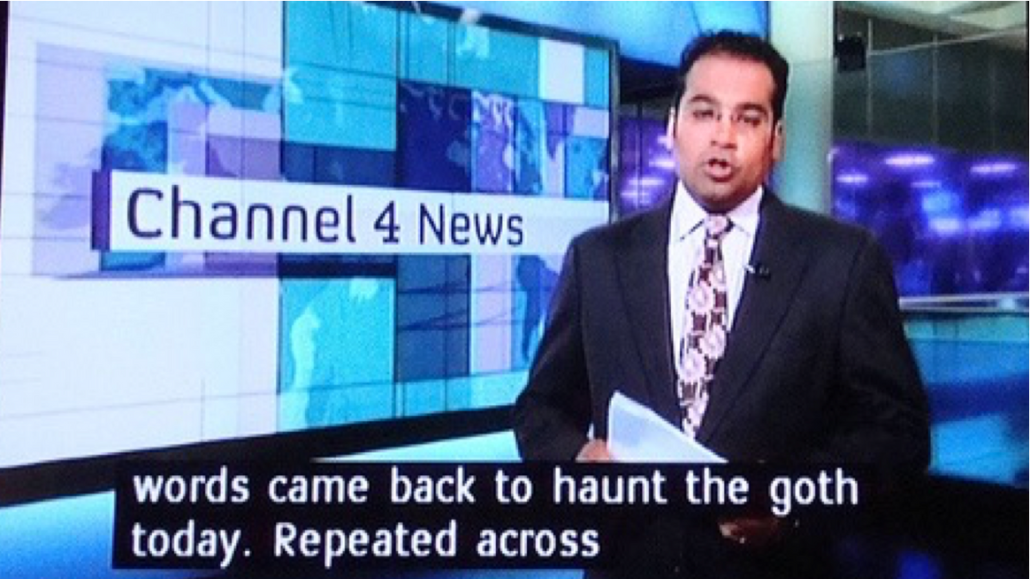
Broadcast captioners, also called stenocaptioners, use court reporter skills on the stenotype machine to provide captions of live television programs for deaf and hard-of-hearing viewers through realtime technology that instantly produces readable English text. Captioners work for local stations and for national channels and networks captioning news, emergency broadcasts, sports events, and other programming.

The Federal Telecommunications Act of 1996 had very specific mandates for closed captioning of local programs around the country. This created an enormous increase in the demand for realtime captioners to cover local news broadcasts around the country mornings, afternoons, and evenings.

Learn more from the National Court Reporters Association (NCRA).

CART Reporting

Communication Access Realtime Translation (CART) Captioning is the instant translation of the spoken word into English text using a stenotype machine, computer, and realtime software. The text appears on a computer monitor or other display. This technology is primarily used by people who are deaf or hard of hearing or who are learning English as a second language.

Learn more from the National Court Reporters Association (NCRA).

Legal Transcription

Transcriptionists process audio recordings from any number of sources, including courthouses, law firms, court reporting agencies, and state attorney offices, and turn them into verbatim certified legal transcripts. Using a variety of playback programs, transcriptionists listen to every word that is being said and turn it into words on the page. To be more efficient, many of them employ text expansion software, a foot pedal, and special templates to generate the transcript.

  • HOW DO I BECOME A LEGAL TRANSCRIPTIONIST?

    The path to becoming a legal transcriptionist can take between two months and a year depending on previous experience and the amount of time dedicated to the program. The Veritext Transcription Program guides applicants through a quality development program that pairs transcriptionists with a coach, shares quality standards, and provides exercises and assessments to ensure that expectations are met in independent work.

    Learn more about the Veritext Transcription Program

Legal Videography

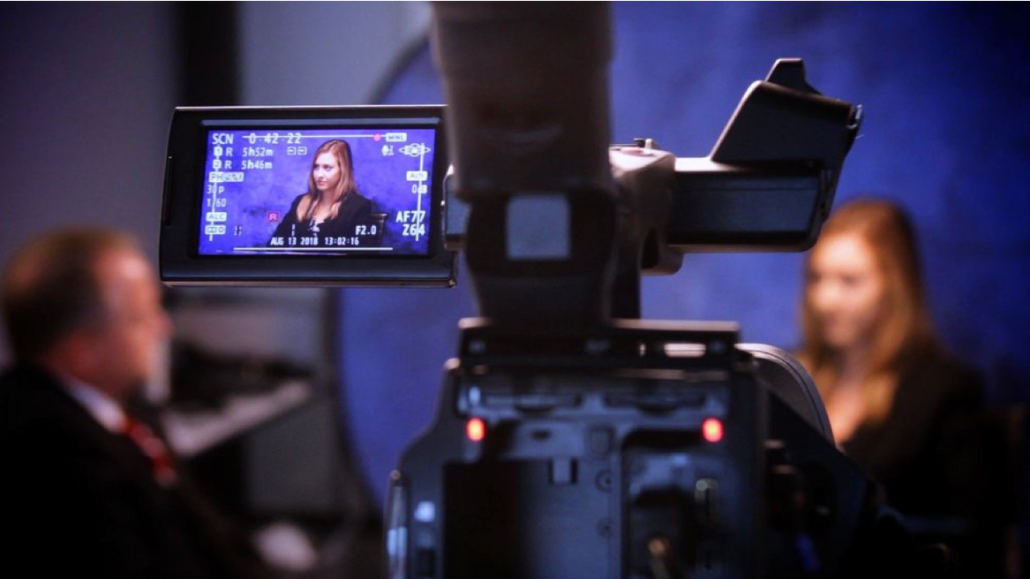
Using professional-grade cameras, microphones and recording equipment ensures that the video produced by this professional can be a valuable tool for testimony review, witness prep, and playback at trial. Legal videographers appear at depositions, inspections, medical exams, and other legal proceedings where attorneys want body language, tone and movement captured. The use of video in the legal environment is growing. Freelance depositions, courtroom video, video depositions … the opportunities for legal video experts are unlimited.

Learn more from the National Court Reporters Association (NCRA).

© Copyright 2025, Veritext, LLC | Starting June 30, credit card payments may incur a surcharge. No surcharge applies to ACH, check, or debit card payments. For Oklahoma-based consumers, the surcharge is 2%.