Veritext is Committed to Advancing Indigenous Human Rights Through Truth and Reconciliation
In June of 2021, the Canadian federal government passed legislation to mark September 30 as a National Day for Truth and Reconciliation.

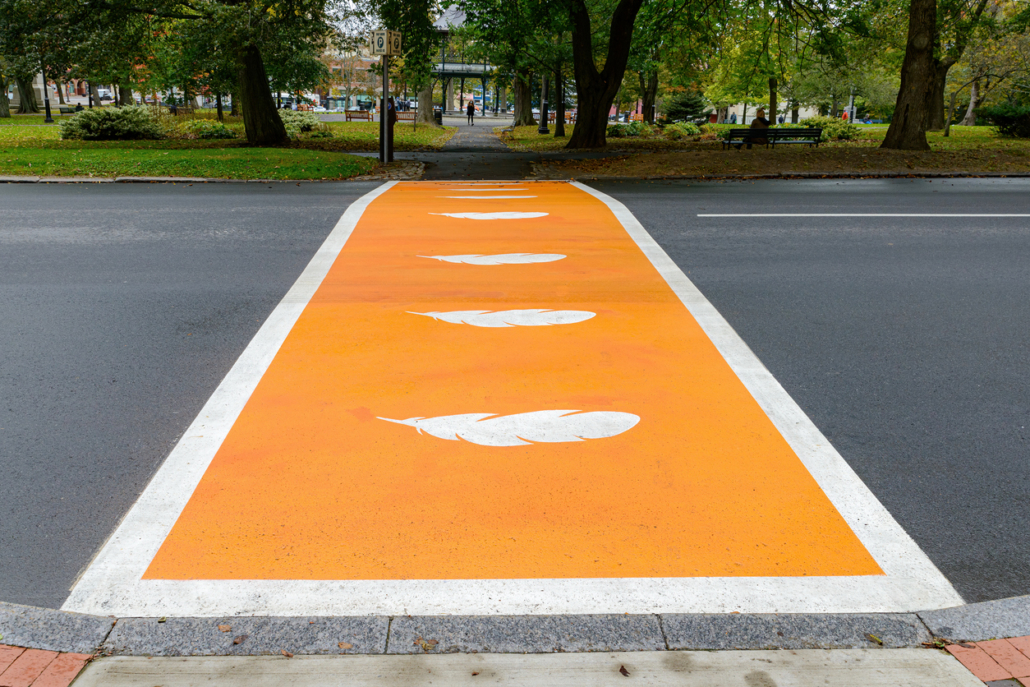
The National Day for Truth and Reconciliation is designated as an opportunity to ‘recognize and commemorate the legacy of residential schools.’ It was originally proposed in 2015 by the Truth and Reconciliation Commission of Canada, which called upon the federal government, in collaboration with Aboriginal peoples, to establish a statutory holiday “to honour survivors, their families, and communities, and ensure that public commemoration of the history and legacy of residential schools remains a vital component of the reconciliation process.”
“The National Day for Truth and Reconciliation serves as a reminder of the painful legacy of residential schools and calls on all Canadians to renew their commitment to understanding history and empathetic healing.” – The Honourable Pascale St-Onge, Minister of Canadian Heritage
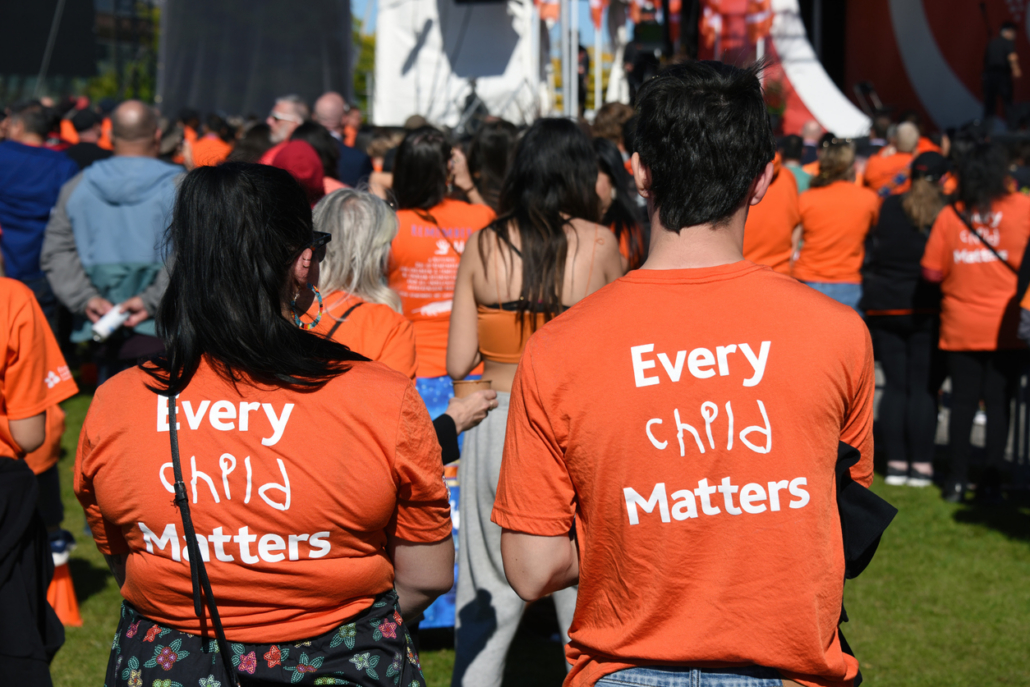
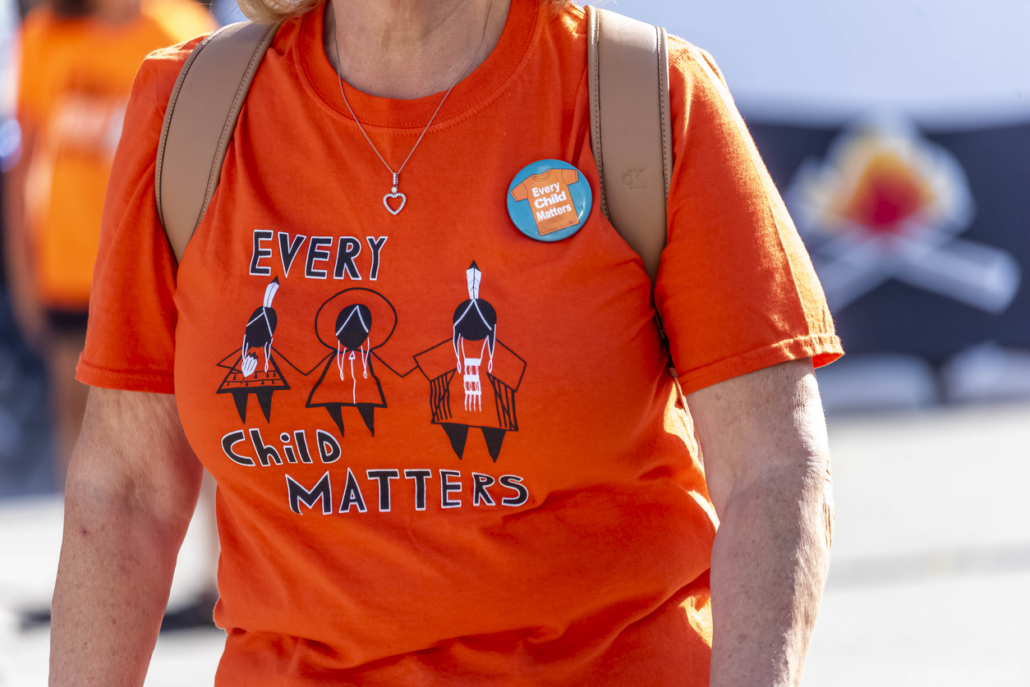
Since 2013, September 30 has already been observed as Orange Shirt Day. This was a movement to recognize the colonial legacy of residential schools and commit to the ongoing process of reconciliation. Orange Shirt Day is based on the experience of residential school survivor Phyllis (Jack) Webstad who, at six, was stripped of her new orange shirt on her first day attending the St. Joseph Mission Residential School near Williams Lake, BC. The date of September 30 was chosen because it was the time of year when most Indigenous children were removed from their families and forced to attend residential schools for the fall start.

September 30 is the National Day for Truth and Reconciliation, also known as Orange Shirt Day. It is a day to honour the Indigenous children that were taken away through the Residential “School” System, and their families and communities. It is a day to raise awareness of the horrific experiences many Indigenous people had in Residential “Schools,” as well as the legacy of this system. It is a moment to recognize not only historic harms but also the intergenerational impacts and ongoing violence Indigenous communities continue to face.
Wear orange to visibly show solidarity with survivors
Donate to the Indian Residential School Survivor Society and other Indigenous organizations
Educate yourself about the Residential Schools System and the ongoing violence and injustice Indigenous communities face
Educate others about these same topics
Learn about the history of The National Day for Truth and Reconciliation.
As we continue our reconciliation journey, many charities are leading efforts to support Indigenous Peoples and this process of reconciliation. These charities are Indigenous-led or guided by Indigenous cultures, values, and voices at their core.


Social Responsibility, Diversity, Equity and Inclusion Initiatives, and Sustainable Operations.

